How to present a case on ward rounds
A clear, structured case presentation earns trust on the ward. Here's a simple framework for presenting a patient in two minutes without losing your seniors.


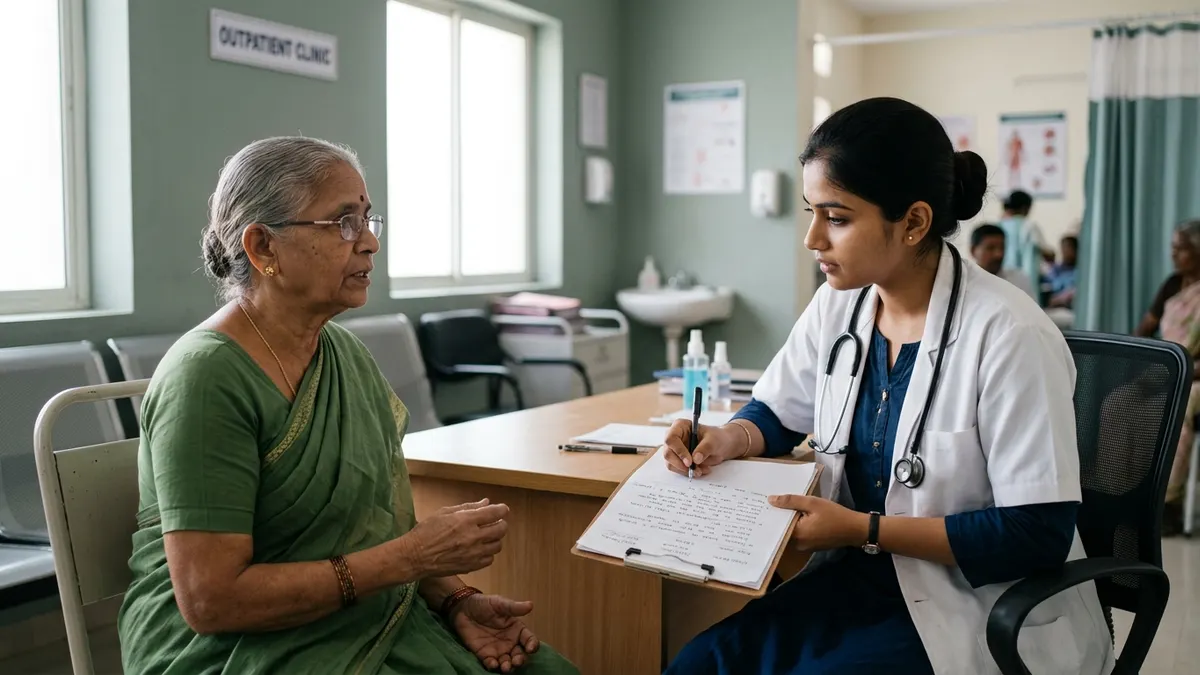
Few things feel as exposing as presenting a patient to a consultant for the first time. The good news is that a strong presentation is mostly about structure, not brilliance. Once you have a reliable shape, you can spend your energy on the thinking.
Know what kind of presentation is wanted
A new admission on a post-take round needs a fuller story. A patient you've been following for a week needs a short update. Before you start, ask yourself: what does the listener need to make a decision today? If you're not sure, ask your registrar how long they'd like it to be.
A framework for new patients
Most teams expect something close to this order:
- Opening line. Name, age, and the presenting complaint with its duration. "Mr Rao is a 64-year-old man with two hours of central chest pain."
- History of the presenting complaint. The key features, told in time order, including the relevant positives and negatives.
- Background. Past medical history, medications, allergies, and the social details that matter for this admission.
- Examination. Observations first, then the relevant findings. Skip the normal systems unless a normal finding is important.
- Investigations. Results that change your thinking, not every number on the screen.
- Summary and impression. One or two sentences that pull it together, followed by your most likely diagnosis and differentials.
- Plan. What you'd like to do next, including investigations, management and monitoring.
Updating a known patient
For daily reviews, a SOAP-style structure keeps things tight:
- Subjective: how the patient says they're feeling, and any new symptoms
- Objective: observations, examination changes and new results
- Assessment: are they improving, stable or getting worse?
- Plan: what changes today
When something is urgent
If you're escalating a deteriorating patient, an SBAR handover works better than a full presentation:
- Situation: what's happening right now
- Background: the essential context
- Assessment: what you think is going on
- Recommendation: what you need from the listener, and how soon
Lead with the concern. Nobody should have to wait through the social history to find out the patient is hypotensive.
Habits that make you sound prepared
- Commit to an impression. "I think this is most likely..." is far better than listing findings and stopping. Seniors can correct a clear view; they can't correct silence.
- Use relevant negatives. "No haemoptysis, no calf swelling" tells the team you've thought about the dangerous alternatives.
- Keep numbers meaningful. Give trends where you can: "creatinine up from baseline" is more useful than a raw value on its own.
- Have the details ready, not in the presentation. Know the full medication list and recent results so you can answer questions, but don't read them all out.
- Finish with a plan. Even a tentative one shows ownership.
Practise out loud
Presenting is a spoken skill, so practise it the same way. After each Sushruta encounter, try summarising the case aloud in under two minutes before you look at your grade. Then compare your impression and plan with the feedback. If you can't summarise it clearly, you probably haven't finished thinking about it.
This framework is a study aid. Always follow the presentation style your own team and supervisors ask for.